When to go to the Amazon
Ask about the best time to visit the Amazon rainforest and you get different answers from the park authorities and the operators. Each describes its own stretch of forest and river, and the ranges overlap. This page shows them side by side, region by region, so you can match them to your route.
This is an independent guide. The seasons below are recommendations and operator descriptions, not guarantees, and they are not a forecast for 2026. Water levels change from year to year, and no source supports a reliable water-level calendar for the whole Amazon.
Seasons by region
Each row comes from a different source and describes a different place. Do not carry one row over to another region.
| Region | Published season | Source type |
|---|---|---|
| Pacaya-Samiria (Peru) | Recommended May to September; rainy season October to April | Park authority |
| Tambopata (Peru) | Recommended May to October; rainy season December to March | Park authority |
| Manu (Peru) | Recommended April to November; rainy season December to March | Park authority |
| Middle Rio Negro (Brazil) | Rainy season about mid-December to mid-May; drier about August to November | Cruise operator |
| Rio Negro (Brazil) | Lowest water levels described for November to January | Cruise operator |
| Iquitos area (Peru) | High water November to June; low water June to November | Cruise operator, ranges overlap |
| Cuyabeno (Ecuador) | Historically less rain in September, October, January and February | Lodge operator |
Park authority recommendations are visiting advice, not exact river-level curves. The Iquitos operator ranges overlap, so the months from June to November can count as either. For Madidi in Bolivia, ask your operator what water levels to expect on your dates. There is also no promise of low water in Cuyabeno, whatever the month.
Amazon tours by season
Lodge stays, river trips and guided jungle tours across the Amazon, with live prices and availability for your dates.
Manaus rainfall and temperature by month
Monthly averages from the World Weather Information Service of the WMO, data supplied by Brazil's weather service. The reference period is 1961 to 1990.
| Month | Average high (°C) | Average low (°C) | Rainfall (mm) |
|---|---|---|---|
| January | 30.5 | 23.1 | 260.1 |
| February | 30.4 | 23.1 | 288.3 |
| March | 30.6 | 23.2 | 313.5 |
| April | 30.7 | 23.3 | 300.1 |
| May | 30.8 | 23.3 | 256.3 |
| June | 31.0 | 23.0 | 113.6 |
| July | 31.3 | 22.7 | 87.5 |
| August | 32.6 | 23.0 | 57.9 |
| September | 32.9 | 23.5 | 83.3 |
| October | 32.8 | 23.7 | 125.7 |
| November | 32.1 | 23.7 | 183.0 |
| December | 31.3 | 23.5 | 216.9 |
Highs and lows are mean daily values, not record extremes. In this series June to October is the drier stretch, each month under 130 mm, and December to May is wetter, each month above 215 mm. The series is historical climate data. It is not a forecast for 2026 and not a 1991 to 2020 norm. Do not apply it to Iquitos, the Manu highlands, Ecuador or Madidi, which have their own conditions.
Notice that rain and river level do not line up month by month. Manaus rainfall is lowest in August, while one Rio Negro operator describes the lowest water from November to January. Ask what the water level means for your route.
Low water in 2023 and 2024, and 2026
Older guides still warn about a drought that has passed. Here is the position now.
The record low is history
Record low water hit the rivers in 2023 and 2024. In January 2025 Brazil's transport infrastructure department reported dredging on the Solimões to keep ships moving at critical points. Do not describe every trip in 2026 as a drought trip.
Recovery in 2025
The WMO reports normal Rio Negro levels at Manaus in the second half of 2025 (published March 2026). It also counted 69,958 fires in the Legal Amazon in 2025, about half the 1999 to 2025 median and the lowest since 2000. That is a count of fires, not burned area, and it says nothing about a single lodge.
September 2026
Brazil's disaster monitoring center reported that drought intensified between August and September 2026, with the state of Amazonas among the areas with widespread moderate drought in the rural settlements studied. That is no verdict on any one route around Manaus.
Low water surcharge
On 15 September 2026 the shipping regulator explained its control of the low water surcharge, with a Rio Negro reference at the Manaus port of at most 17.7 m. This concerns freight and shipping lines. It is not a general entry fee or a cruise surcharge.
Because water levels can change each year, take any route promise as provisional. Ask the operator in writing how low or high water would change your itinerary. The river cruise page covers booking conditions.
Keep planning
Pages for the places behind these seasons.
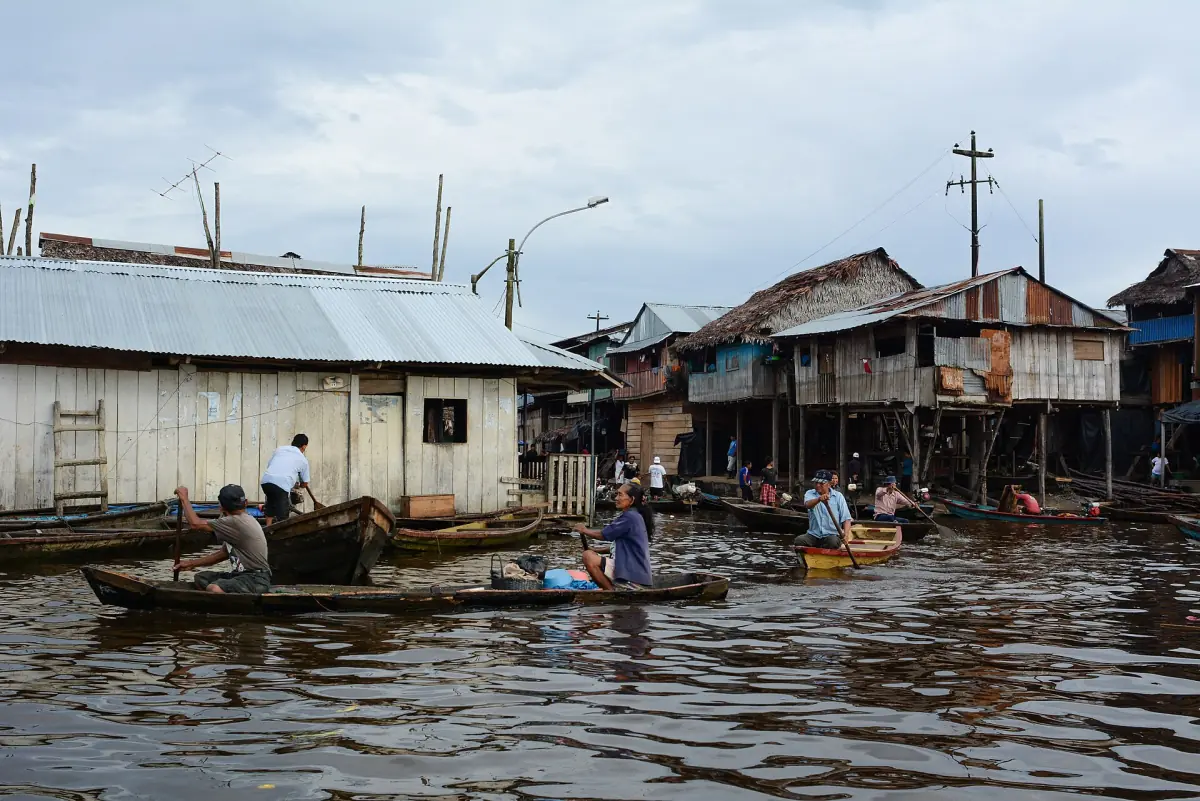
The Peruvian Amazon
Iquitos, Tambopata and Manu side by side.
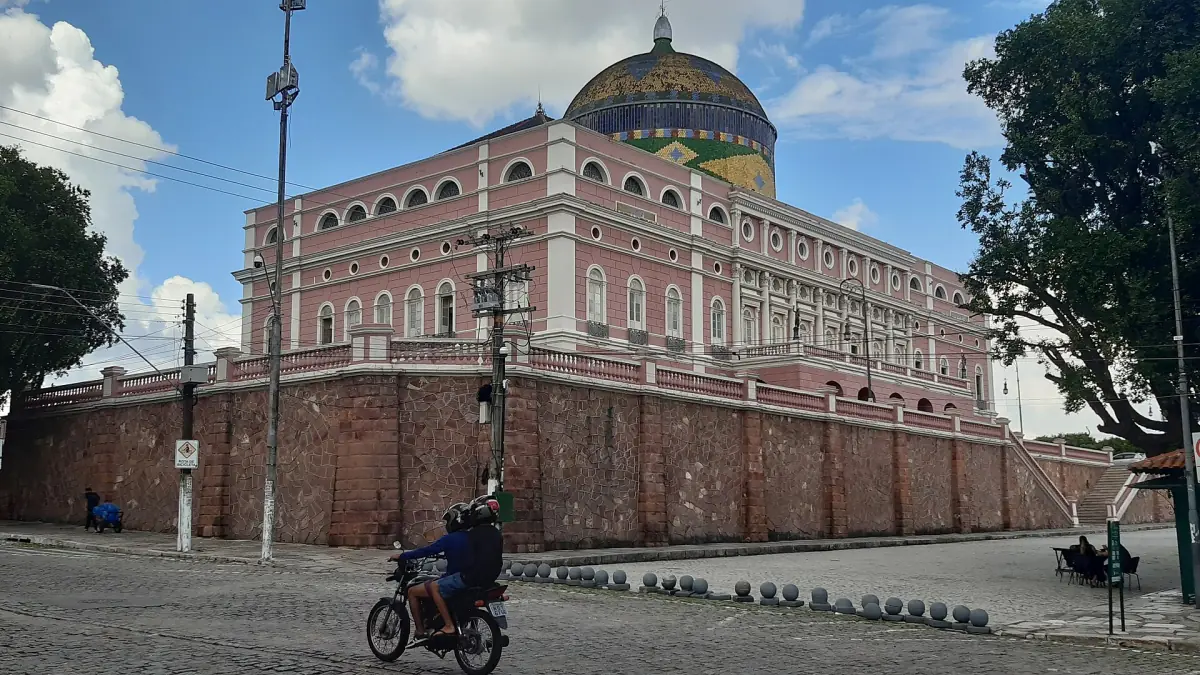
Manaus
The Rio Negro city and the meeting of the waters.
The Ecuadorian Amazon
Cuyabeno and Yasuní lodges.

Travel tips
Vaccines, packing and safety.
Health planning depends on the season and the route, so read the travel tips and speak to a travel-medicine clinic. This site gives no medical advice. Entry rules differ by passport and by country, so check with the embassy before you book.
Best time to visit the Amazon: frequently asked questions
What is the best month to visit the Amazon rainforest?
No source supports one best month. Park authorities in Peru recommend May to September for Pacaya-Samiria, May to October for Tambopata and April to November for Manu. A Rio Negro operator describes a drier time of about August to November. Match the month to your region.
When is the rainy season?
It varies. The Peruvian park pages give October to April for Pacaya-Samiria and December to March for Tambopata and Manu. A Rio Negro operator gives about mid-December to mid-May. In the Manaus series, March is the wettest month.
Is the Amazon still in drought?
The record low water of 2023 and 2024 is historical, and the WMO reports normal Rio Negro levels at Manaus in the second half of 2025. A monitoring report for September 2026 still names moderate drought in parts of Amazonas, so ask your operator about your route and dates.
Does rain mean I cannot travel?
Not by itself. Operators run trips in several seasons, and one Rio Negro cruise operator lists departures in many months of 2026. Rain and water level change what you can do, so ask which activities run in your month.
Is it hotter in some months?
In the Manaus series, August to October are the warmest months, with average highs of 32.6 to 32.9 °C, and nights stay around 23 °C all year. This applies to Manaus only.
Can the season affect my health planning?
The CDC lists yellow fever and malaria risk in the Amazon areas of Peru, Brazil, Ecuador and Bolivia. A travel-medicine clinic can advise you for your route and dates well before departure.